Plasma Donation Info

Plasma Donation Eligibility Checklist: Can I Donate?

Feb 3, 2026
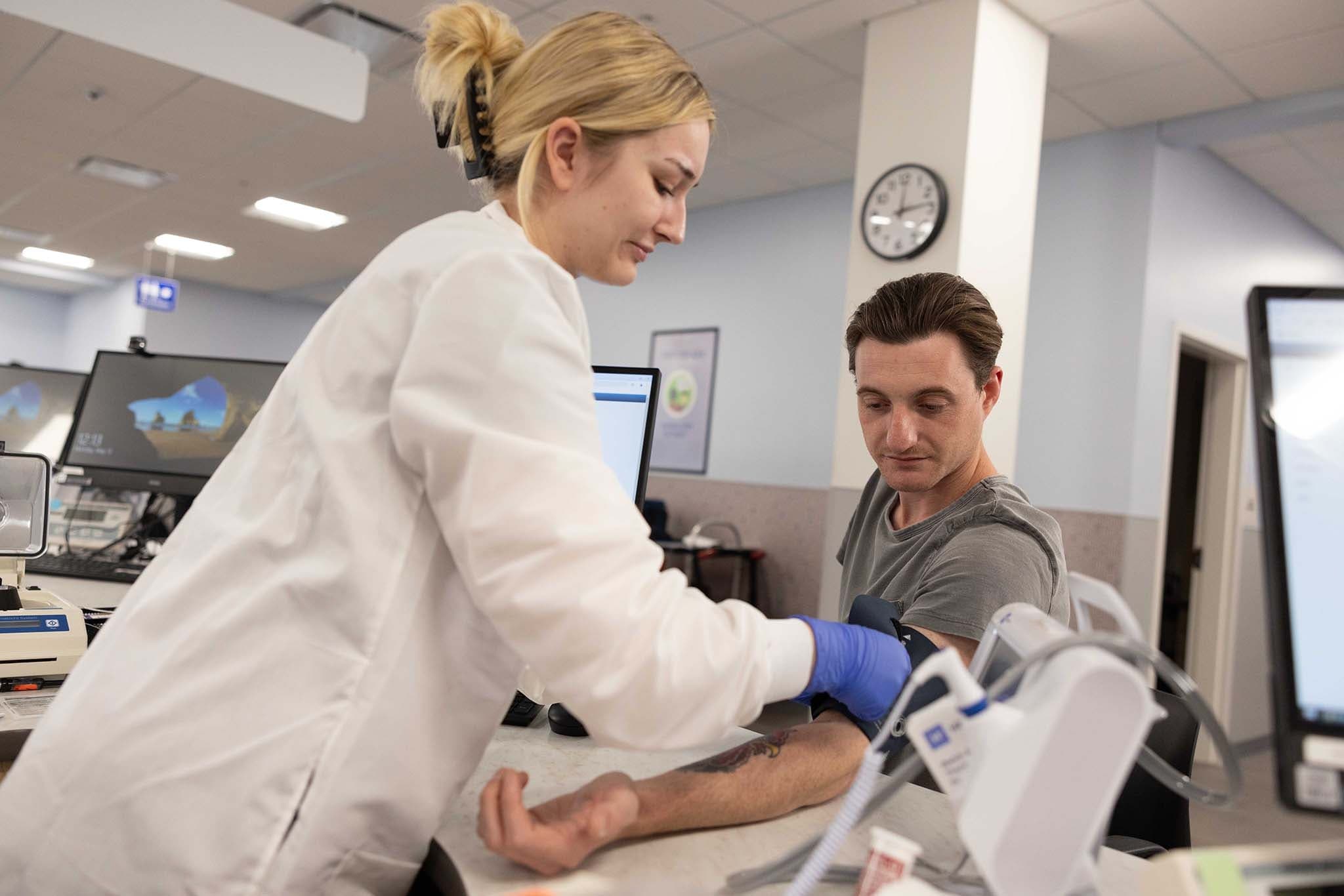
Donor getting blood pressure taken from nurse

Am I Eligible to Donate Plasma?

It’s one of the most common questions we get from potential plasma donors: Am I eligible to donate?


While many who volunteer to donate plasma are eligible to do so, some common (and not so common) factors could impact your eligibility. We take the safety of the plasma supply and our donors seriously, which is why our donation centers adhere to the eligibility criteria established by the FDA (among other regulatory authorities).


Our downloadable checklist covers the basic eligibility requirements to help you get started on your donation journey. It also provides details on how BioLife determines potential donor eligibility when there might be additional factors to consider. We think it’s a great starting point for those looking to help save lives with the power of plasma, but we encourage you to reach out to your local BioLife donation center with any questions you may still have.

BioLife Eligibility Checklist #1
BioLife Eligibility Checklist #2
BioLife Eligibility Checklist #3
BioLife Eligibility Checklist #4
BioLife Eligibility Checklist #5
BioLife Eligibility Checklist #6
BioLife Eligibility Checklist #7
BioLife Eligibility Checklist #8
Are you ready to donate plasma? Schedule your appointment now!

Plasma Donation Eligibility Checklist (Infographic Transcript)

Looking to donate plasma for the first time, but have some questions? You’ve come to the right spot. 


Donating plasma is an incredible way to help those who rely on life-saving treatments made from plasma, and this checklist was created to answer some of the most common questions we hear from donors looking to start their plasma donation journey.


While it’s true that the best way to determine your individual eligibility is to visit your local BioLife center and speak to our knowledgeable staff, we hope this resource will help guide you on the path to saving lives!


Basic Donor Requirements


Do you meet these qualifications to donate?

  • Age – Are you at least 18 years old?¹
  • Weight – Do you weigh at least 110 pounds?
  • Identification – Do you have acceptable forms of ID? (Valid identification includes a photo, signature, date of birth, and Social Security number. Acceptable forms of ID include a Social Security card, driver’s license, valid passport, or a certified birth certificate. You can also use an ID card issued by a government agency or other entity. If you don’t have one identifying document that contains all four required items, bring two or more documents that include these four items with you. Please ensure all IDs are original physical copies.)
  • Proof of Address – Do you have proof of a permanent local address? (A valid ID, signed lease, utility bill, or piece of mail sent via USPS and postmarked within the past two months are acceptable for proof of address.)
  • Previous Donation – Have you waited the appropriate amount of time between plasma donations (at least 48 hours) and completed no more than two donations within the past seven days?²


If you answered “yes” to the requirements above, the next step is to set up a BioLife account (if you haven’t already) and schedule an appointment at one of our donation centers.


After arriving for your appointment, you’ll start with a pre-donation medical screening led by our trained staff. This confidential process helps us protect your health and ensure a safe donation process.


Your medical screening includes:

  1. Medical History Questionnaire – An electronic form that asks you to answer a comprehensive set of basic medical/personal questions before donating.
  2. Physical Examination – A simple check of vitals, like your weight, blood pressure, pulse, and temperature, conducted by our friendly staff.
  3. Blood Sample – A quick and easy way to ensure it’s safe for you to donate that day.


Other Eligibility Factors to Consider


Now that we’ve covered the basics, let’s take a look at other items that may delay – or even disqualify – you from donating plasma. Thankfully, a lot of these can be resolved with time after you get additional knowledge from a BioLife staff member.


Your current situation prevents you from donating at this time:

  • Pregnancy – For your safety, donating during pregnancy is not permitted. However, you will be eligible six months after you’re no longer pregnant.
  • Cold, Flu, Sore Throat – If you feel unwell, please reschedule your appointment for a day when you feel healthy and no longer show signs of illness.
  • Alcohol & Marijuana – Drinking alcohol or using marijuana (even if medically prescribed) on the day of your plasma donation is prohibited. Additionally, an individual showing physical or mental effects of alcohol or marijuana use when they present for a donation appointment will not be allowed to donate.


Speak with a BioLife staff member to determine how your situation impacts your eligibility to donate: 

  • Medical Procedures/Surgeries – Some procedures and surgeries require a waiting period before you can donate plasma. Check with your local BioLife center to determine whether your procedure delays your eligibility.
  • Travel – If your travels may have taken you to a country with high rates of malaria, Zika virus, or Ebola virus, we ask that you reach out to the staff at your local BioLife center to determine whether your exposure warrants a deferral or disqualification for donation.³
  • Blood, Platelet, and Plasma Donations – After donating one unit of whole blood, you are eligible for plasma donation after eight weeks (or 56 days) from the date of donation. After donating a double unit of red cells, you are eligible for plasma donation after 16 weeks (or 112 days) from the date of donation. Also, keep in mind that if you donate platelets or plasma for another plasma donation organization, you are not eligible while participating in the other donation program. We encourage you to talk to a BioLife member to learn more about your eligibility.
  • Infectious Diseases – Certain illnesses (e.g., HIV, hepatitis) disqualify you. The staff at your local center will be able to determine your eligibility after performing a medical screening.
  • Dental Procedures – Minor procedures, such as fillings, a crown, or a root canal, typically require that you wait until the day after your procedure to be eligible. If you’ve just had a deep cleaning, extraction, surgery, or abscess, contact a BioLife member to determine the required waiting period. It’s usually a short delay, but you must also be free of symptoms before donating plasma.
  • Tattoos & Piercings – A tattoo or piercing does not automatically disqualify you from donating plasma. However, we may require a waiting period to ensure that the site has healed completely and is infection-free.⁴ Our staff will request further details on when and where you got your tattoo, as well as what procedures were used.
  • Immunizations/Vaccinations – Eligibility depends on the type, reason, and date your vaccination was received. If you experience any symptoms, such as pain or swelling at the injection site, fever, chills, headache, and muscle or joint aches,⁵ please share that with our staff to help us determine whether it’s safe for you to donate or whether you should delay your donation.
  • Medications – Some medications can affect your blood. That is why we ask you to bring a list of all drugs or medications you are taking or have taken in the past year to your appointment. Our staff will review the list along with the reason for treatment and determine your eligibility.
  • Medical Conditions – Our staff determines eligibility based on the severity of your condition, current symptoms, and the type of treatment required to control the condition, which includes any medications you may be taking. Please be sure to inform our staff of all medical conditions and medications when you go to your local center to donate.


Your donation eligibility could change as your circumstances change, but one thing that never changes is our staff’s willingness to help you navigate the donation process.


Reach out to one of our knowledgeable staff members at your local BioLife center today to help get the information you need to determine if plasma donation is right for you.


1 Donors who are 66+ years old at the time of their physical exam must provide a letter from their healthcare professional.


2 Giving=Living, “The Process for Giving Plasma, Step-by-Step,” U.S. Department of Health and Human Services, accessed January 24, 2025, https://www.hhs.gov/givingequalsliving/giveplasma/giving-process


3 “What could disqualify you from being a plasma donor?”, Plasma Hero, accessed January 23, 2025, https://www.plasmahero.org/news/what-could-disqualify-you-being-plasma-donor


4 “Can You Donate Plasma with Piercings and Tattoos?”, BioLife Plasma Services, accessed January 30, 2025, https://www.biolifeplasma.com/blog/donate-plasma-tattoo-piercing


5 “Immunization,” U.S. Department of Health and Human Services, accessed January 30, 2025, https://www.hhs.gov/immunization/basics/safety/side-effects/index.html


BIOLIFE and logo are registered trademarks of Baxalta Incorporated. Takeda and logo are registered trademarks of Takeda Pharmaceutical Company Limited. © 2025 Takeda Pharmaceutical Company Limited. All rights reserved.