Plasma Donation Info
Plasma Donation Misconceptions: The Truth About Donating Plasma
Feb 20, 2026
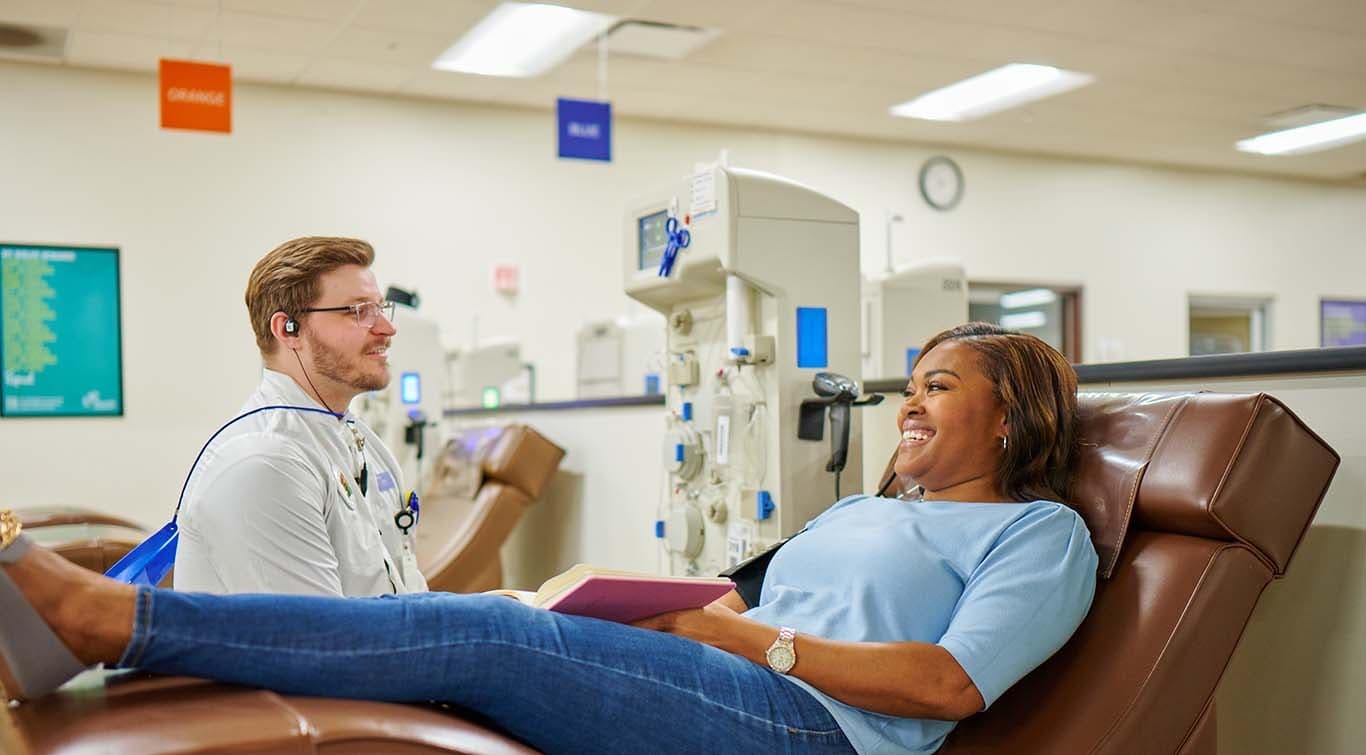
Plasma donation has been surrounded by misconceptions for far too long. It's time to set the record straight on the importance, safety, and impact of donating plasma. We’re separating fact from fiction to debunk common misunderstandings and highlight the important benefits of and need for plasma donation. Without plasma donation, there would be no plasma-derived therapies – life-changing medicines that thousands of patients rely on. That’s why donor health and safety is as important to us as patient health. Our aim is to educate, inspire, and dispel any hesitations about plasma donation.
Let’s start with how big of a role plasma actually plays in our bodies. Plasma is the largest component of our blood, making up about 55% of its overall weight. It carries essential hormones and waste products to and from the cells in the body. Plasma plays a critical role in clotting and fighting diseases, making it invaluable for medical treatments and research.
Just as the most precious treasures are safeguarded with the highest measures of security, the “liquid gold” that flows through our veins — our plasma — is drawn using high safety standards as outlined by the FDA. The process of donating plasma is called plasmapheresis. It involves withdrawing whole blood, separating the plasma from the other components (red cells, white cells, and platelets) and returning the remaining blood components back to the donor. This process is carried out in highly regulated, sanitary environments to ensure donor safety and the purity of the plasma collected.
Safety is the top priority in plasma donation centers. Plasma donors undergo thorough health screenings and medical history reviews to ensure they are eligible and healthy enough to donate – that plasma donation is safe for them. The equipment used is sterile, used only once per donor, and handled by trained professionals to minimize the risk of infection.
Get ready as we debunk plasma donation misconceptions one by one!
False, studies have shown that donating plasma is as safe as giving blood.1 Health standards and rigorous procedures are in place across plasma donation centers to mitigate risks and ensure the integrity of the plasma collected. These standards are enforced by regulatory bodies2 and include thorough health screenings for donors, the use of sterile, single-use collection devices, and strict protocols for handling biological material. The well-being of donors is a top priority, with trained staff monitoring the donation process to minimize any risks and ensure a positive experience. You will not be able to donate if you do not meet the health and eligibility requirements.
True, several studies have shown that routine plasmapheresis can lower total and LDL cholesterol levels. LDL cholesterol is the “bad” type of cholesterol that can lead to heart disease. The greatest decreases in total and LDL cholesterol were seen among individuals who had elevated baseline cholesterol levels and took 2–4-day breaks between donations. Studies also show that plasmapheresis can increase HDL cholesterol levels, which is the “good” type of cholesterol, that plays a critical role in overall heart health.3
False, donating plasma does not and cannot cause you to gain weight. There is no known link between plasma donation and weight gain or obesity. When you donate plasma, your body quickly replenishes the fluids lost during the donation process within 48 hours, without adding extra calories or fat to your body. Your weight is influenced by your caloric intake and expenditure, not by donating plasma.4
False, donating plasma does not affect body weight and cannot aid in weight loss. You might see minor fluctuations due to fluid loss during donation; these adjustments are short-lived and normalize after rehydration. Plasma donation should not be viewed or used as a weight loss strategy.4

False, plasma center technicians are highly trained and must meet specific qualifications to ensure the safety and efficiency of the donation process. Many technicians also have backgrounds in healthcare, bringing valuable knowledge and expertise to their roles. Plus, ongoing education and training sessions are required by plasma centers to help technicians stay updated on best practices, new technologies, and regulatory changes in the field of plasma donation. This helps to ensure plasma donation remains a safe and positive experience for donors.
False, people can donate plasma more frequently than they can donate whole blood.5 This is because the body replenishes plasma at a much faster rate than it does red blood cells, allowing for a shorter recovery period between donations. This frequent donation capability helps maintain a steady supply of plasma, which is critical for the ongoing need for plasma-derived medicines.
False, plasma cannot be synthetically produced in a lab. Plasma is the liquid component of our blood and is mostly made up of water, salts, and enzymes, and it contains essential proteins with antibodies that are crucial for combating infections. Due to its complex composition, it is impossible to replicate synthetically. Plasma can only come from the kindness of healthy individuals who choose to donate plasma. This is what makes plasma donations absolutely essential. They're not just generous acts of kindness; they're vital for producing lifesaving treatments for patients battling serious diseases.6
While the act of donating plasma is voluntary, compensation is often provided as a way to acknowledge the time and dedication of donors. This practice helps to ensure a stable and reliable supply of plasma, supporting the production of critical therapies for patients with rare and chronic conditions. Learn more about compensation and rewards at BioLife.
False, most donors report that donating plasma is not painful.7 While there may be a brief sensation of discomfort when the needle is inserted, the donation process itself is painless. Donation centers are equipped to ensure donor comfort, with experienced staff available to assist and monitor donors throughout the procedure.
False, all blood types can donate plasma. While there are several eligibility criteria that potential donors must meet — such as age, weight, and overall health — blood type is not a factor that would disqualify someone from donating plasma. So, whether your blood type is A, B, AB, or O, you have the potential to donate plasma and contribute to lifesaving treatments and therapies for patients in need. Check donor eligibility requirements on our website.
We hope this information has provided clarity and a better understanding about the plasma donation process. BioLife is committed to making plasma donation as safe and comfortable as possible for donors. Your donation can make a significant difference, offering hope and lifesaving treatments to those in need.
Got more questions? Check our FAQs page or contact your local BioLife Plasma Donation Center.
1. U.S. Department of Health & Human Services. (2022, March 10). Give Plasma. HHS.gov. Accessed April 2025. Retrieved from https://www.hhs.gov/oidp/topics/blood-tissue-safety/giving-plasma/index.html
Schulzki, T., et al. (2006). A prospective multicentre study on the safety of long-term intensive plasmapheresis in donors (SIPLA). Vox Sanguinis, 91, 162–173. Retrieved from https://pubmed.ncbi.nlm.nih.gov/16907878/
Kiessig, S. T., et al. (2013). First results from the Study on Intensive Plasmapheresis II (SIPLA II). Presented at the 23rd Regional Congress of the OSBT, Amsterdam, The Netherlands, June 2–5, 2013. Retrieved from https://researchgate.net/publication/237009964
Purohit, M., Malhotra, R., & Simon, T. (2023). Review and assessment of the donor safety among plasma donors. Transfusion. Retrieved from https://doi.org/10.1111/trf.17369
Fransen, M., Becker, M., Hershman, J., Lenart, J., & Simon, T.L. (2023). Why do US source plasma donors stop donating? Transfusion, 63(10), 1904–1915. Retrieved from https://doi.org/10.1111/trf.17522
2. U.S. FDA. (2023, October). Compliance Policy on Blood Donation Suitability and Source Plasma. Retrieved from https://www.fda.gov/regulatory-information/search-fda-guidance-documents/compliance-policy-regarding-blood-and-blood-component-donation-suitability-donor-eligibility-and
3. National Library of Medicine. (2013, August). Prospective Multicentre Study of the Effect of Voluntary Plasmapheresis on Plasma Cholesterol Levels in Donors. Accessed April 2025. Retrieved from https://pubmed.ncbi.nlm.nih.gov/23517282/
Cleveland Clinic. (2024, December 23). LDL Cholesterol. Accessed April 2025. Retrieved from https://my.clevelandclinic.org/health/articles/24391-ldl-cholesterol
Mayo Clinic. (2024, November 7). HDL cholesterol: How to boost your ‘good’ cholesterol. Retrieved from https://www.mayoclinic.org/diseases-conditions/high-blood-cholesterol/in-depth/hdl-cholesterol/art-20046388
4. Wiley Online Library. (2023, November 24). Effects of plasmapheresis frequency on health status and exercise performance in men: A randomized controlled trial. Accessed April 2025. Retrieved from https://onlinelibrary.wiley.com/doi/10.1111/vox.13569
Skoog, W. A., Adams, W. S., & Coburn, J. W. (1962, April). Metabolic Balance Study of Plasmapheresis in a Case of Waldenström’s Macroglobulinemia.
5. U.S. Department of Health & Human Services. (n.d.). The Process for Giving Plasma, Step-by-Step. Retrieved from https://www.hhs.gov/givingequalsliving/giveplasma/giving-process
6. Plasma Protein Therapeutics Association (PPTA). (2023). Plasma Collection and Manufacturing. Accessed February 2024. Retrieved from https://www.pptaglobal.org/resources/plasma-collection-and-manufacturing
Plasma Protein Therapeutics Association (PPTA). (2023). What is Plasma? Accessed April 2025. Retrieved from https://www.euneedsmoreplasma.com/plasma
7. Fransen, M., Becker, M., Hershman, J., Lenart, J., Simon, T., & McCausland, K. (2023). Effects of donation frequency on U.S. source plasma donor health. Transfusion, 63(10), 1885–1903. Retrieved from https://doi.org/10.1111/trf.17523

Download Our App


BIOLIFE and are registered trademarks of Baxalta Incorporated. Takeda and  are registered trademarks of Takeda Pharmaceutical Company Limited. © 2026 Takeda Pharmaceutical Company Limited. All rights reserved.


BIOLIFE and are registered trademarks of Baxalta Incorporated. Takeda and are registered trademarks of Takeda Pharmaceutical Company Limited. © 2026 Takeda Pharmaceutical Company Limited. All rights reserved.